Symptoms of piles
Symptoms of piles include:
- bright red blood after you poo
- an itchy anus
- feeling like you still need to poo after going to the toilet
- mucus in your underwear or on toilet paper after wiping your bottom
- lumps around your anus
- pain around your anus
See what piles look like
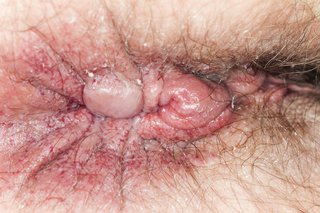
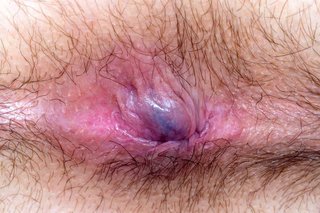
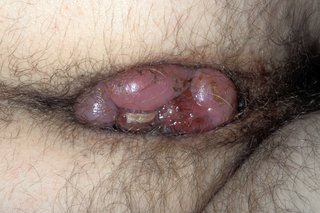
How you can treat or prevent piles
Do
-
gently push a pile back inside if you can
-
take paracetamol if piles hurt
-
use an ice pack wrapped in a towel to ease discomfort
-
drink lots of fluid and eat plenty of fibre to keep your poo soft
-
take a warm bath to ease itching and pain
-
keep your bottom clean and dry – pat (rather than rub) it dry
-
cut down on alcohol and caffeine (like tea, coffee and cola) to avoid constipation
Don’t
Ask a pharmacist about treatment for piles
A pharmacist can suggest:
- creams to ease the pain, itching and swelling
- treatment – such as laxatives – to help constipation and soften poo
- cold packs to ease discomfort
Many pharmacies have private areas if you do not want to be overheard.
Find a pharmacyNon-urgent advice: See a GP if:
- you have symptoms of piles and they're getting worse or there's no improvement after trying treatments at home
- you keep getting piles
- you notice a change around your anus that is not normal for you
The GP may prescribe stronger medicines for piles or constipation. They may also check your symptoms are not being caused by something else.
Urgent advice: Ask for an urgent GP appointment or get help from NHS 111 if:
You have piles and:
- your temperature is very high, or you feel hot, cold or shivery and generally unwell
- painless bleeding from the bottom
- pus is leaking from your piles
You can call 111 or get help from 111 online.
Hospital treatment for piles
If there is no improvement to your piles after home treatments, you may need hospital treatment.
Talk to your doctor about the best treatment for you. Treatment does not always prevent piles coming back.
Treatment without surgery
Common hospital treatments include:
- rubber band ligation: a band is placed around your piles to make them drop off
- sclerotherapy: a liquid is injected into your piles to make them shrink
- electrotherapy: a gentle electric current is applied to your piles to make them shrink
- infrared coagulation: an infrared light is used to cut the blood supply to your piles to make them shrink
You'll be awake for this type of treatment, but the area may be numbed.
You should be able to go home on the same day.
If these treatments do not work, or your piles are large, you may need surgery to remove them.
Surgery
Surgical treatments include:
- haemorrhoidectomy: your piles are cut out
- stapled haemorrhoidopexy: your piles are stapled back inside your anus
- haemorrhoidal artery ligation: stitches are used to cut the blood supply to your piles to make them shrink
You will usually need to be asleep for this type of treatment. You may be able to go home on the same day as your treatment or on the following day.
Immediate action required: Go to A&E or call 999 if you have piles and:
- you are bleeding non-stop
- there is a lot of blood or you see large blood clots
- you are in severe pain
Do not drive to A&E. Ask someone to drive you or call 999 and ask for an ambulance.
Bring any medicines you take with you.
Causes of piles
Piles are swollen blood vessels. It's not clear what causes them.
Things that make piles more likely:
- constipation
- pushing too hard when pooing
- heavy lifting
- pregnancy
- getting older
- being overweight
Page last reviewed: 01 April 2026
Next review due: 01 April 2029