
Work-related stress
Many people experience work-related stress at some point. It can affect how you think, feel and behave.
Learn how to spot the signs, manage work-related stress and find help and support.
What are the signs and symptoms of work-related stress?
If you're feeling stressed at work, you may notice changes in your emotions, thoughts or behaviour.
Here are some of the ways it can affect you.

Emotions
- feeling withdrawn
- losing motivation
- feeling less confident
- feeling more tearful, sensitive or aggressive

Thoughts
- jumping to conclusions without having all the facts
- finding it hard to see things positively
- making problems feel much bigger than they are
- automatically jumping to the worst-case scenario
- blaming yourself when things go wrong

Behaviour
- avoiding certain tasks
- working longer hours or weekends
- working during holidays
- taking more time off work
How can I manage stress at work?
There are practical things you can do to manage stress at work. Some may help you deal with what’s causing the stress, while others can help you cope with how it makes you feel.
Work out what you find stressful
Try to understand what's causing stress as it can help you decide what to do next.
Questions to ask yourself:
- do you have too much to do?
- do you feel like there isn't enough time?
- is there a lot of change or uncertainty?
- are you finding relationships with colleagues difficult?
If it helps, write down what was happening when you started to feel stressed. This can help you understand whether certain situations, people or tasks are affecting you.
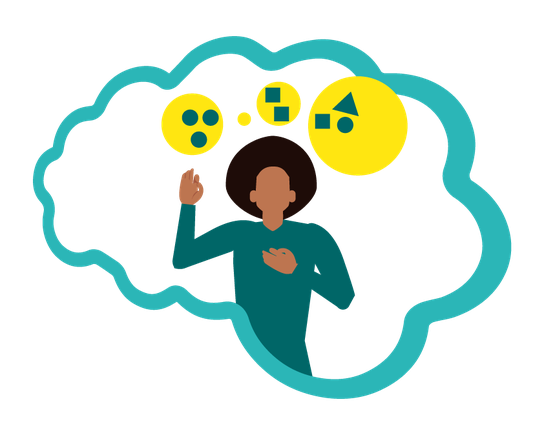
Focus on what you can change
Once you know what’s making you feel stressed, think about what you can change and what you cannot.
For example, you may not be able to change a colleague’s personality or behaviour. But you may be able to:
- change how you respond
- set boundaries
- ask your manager for support
If you're worried about something outside of your control, such as redundancy, getting advice about your rights and options may help.
See things differently
The way we see a situation can affect how we feel.
These questions can help you change the way you look at situations:
- is there another way to look at this?
- can I learn from this situation?
- could this person be going through something difficult outside of work?
- what 3 things am I grateful for today?
This does not mean ignoring a difficult situation. It can help you think more clearly and decide what to do next.
Talk to someone you trust
Talking about how you feel can make a difficult situation feel more manageable. You could speak to:
- your manager
- a colleague you trust
- your workplace wellbeing or HR team
- a friend or family member
If work is causing stress, your manager may be able to help you agree priorities, adjust your workload or find other ways to support you.
Set boundaries
Boundaries are limits you set to protect your time, energy and wellbeing.
This is especially important if you work from home. You could:
- take breaks
- finish work on time
- say no when you already have too much to do
- switch off work notifications outside your working hours
- agree on realistic deadlines and workloads
- keep your workspace separate from where you relax, if possible
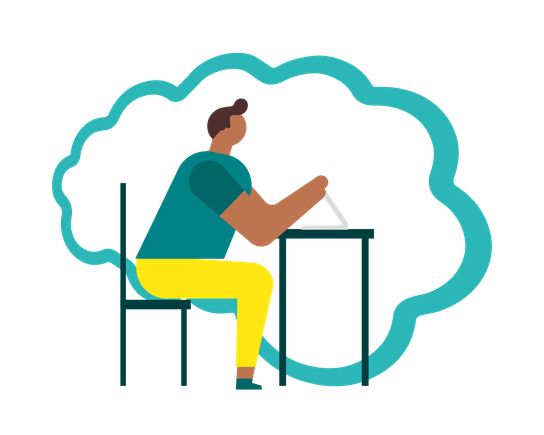
Calm yourself when you feel stressed
Taking a few slow, deep breaths can help you feel calmer. Follow these steps to try a breathing exercise called belly breathing.
- If you can, sit in a comfortable chair or lie down.
- Put one hand on your tummy and one hand on your chest.
- Close your mouth and breathe in slowly through your nose.
- Notice your tummy gently rise as it fills with air.
- Breathe out slowly and gently through your mouth.
- Repeat this 3 times.
Slow deep breathing can help slow your heart rate and relax your body. You can also use it before situations that might make you feel anxious or nervous, like a meeting or an interview.
You can also try our beginners' guide to meditation to feel calmer, which includes a video to help you get started.
Build resilience
Resilience is your ability to cope with challenges and adapt when things are difficult.
You can build your resilience by:
- thinking about what helped you in the past. Is there something you could try again?
- looking for practical ways to deal with a problem. Ask yourself:
- is there something you can do differently?
- would it help to wait until tomorrow or next week before dealing with a situation?
Take care of yourself
Looking after yourself can help you manage the effects of stress. You could try:
- short breaks during the working day
- a walk before, during or after work
- breathing exercises when you feel overwhelmed
- simple stretches whenever you can
- healthy lunches you'll enjoy eating
You do not need to try everything at once. Start with one small change that feels manageable.
What is burnout?
Burnout is physical and emotional exhaustion. It can drain your energy and motivation, affecting your work, wellbeing and relationships. It may also increase your risk of anxiety and depression.
What is the difference between burnout and stress?
Burnout can be caused by long-term stress, but they are not the same.
Stress often feels like too much. You may feel overwhelmed by pressure and responsibilities but still believe things will improve once you get them under control.
Burnout can feel like you have nothing left to give. You may feel empty, exhausted and detached, with little motivation or hope that things will change.
It can develop gradually, so you may not notice it straight away.
Symptoms of burnout
- feeling tired and drained
- losing motivation
- feeling helpless or detached
- becoming more negative
- withdrawing from others
- struggling to get things done
- changes to your sleep or appetite
How to recover from burnout
Burnout can take time to recover from. It’s important to deal with what is causing it, not just the symptoms.
If burnout is affecting your daily life or mental health, talk to a GP or contact NHS talking therapies.
You can also use cognitive behavioural therapy to change negative or unhelpful thoughts.
Help and support for mental health in the workplace
These organisations offer advice and support to help you manage stress and at work.
More advice about problems at work
Support to get into or stay in work
- GOV.UK: Access to Work: get support if you have a disability or health condition
- GOV.UK: help with moving from benefits to work
Mental health support
- Mind: Side by Side online peer support community
- NHS: Talking therapies
- NHS mental health hub
If you need help now, visit our urgent support page.